
Reliable power isn’t optional. It’s essential.
We are a coalition of labor, energy, environmental and community voices supporting the Cascadia Ridge Resiliency Energy Storage Project, a battery energy storage facility (BESS) that will help ensure our region has access to reliable, affordable, safe and clean power when it’s needed most.
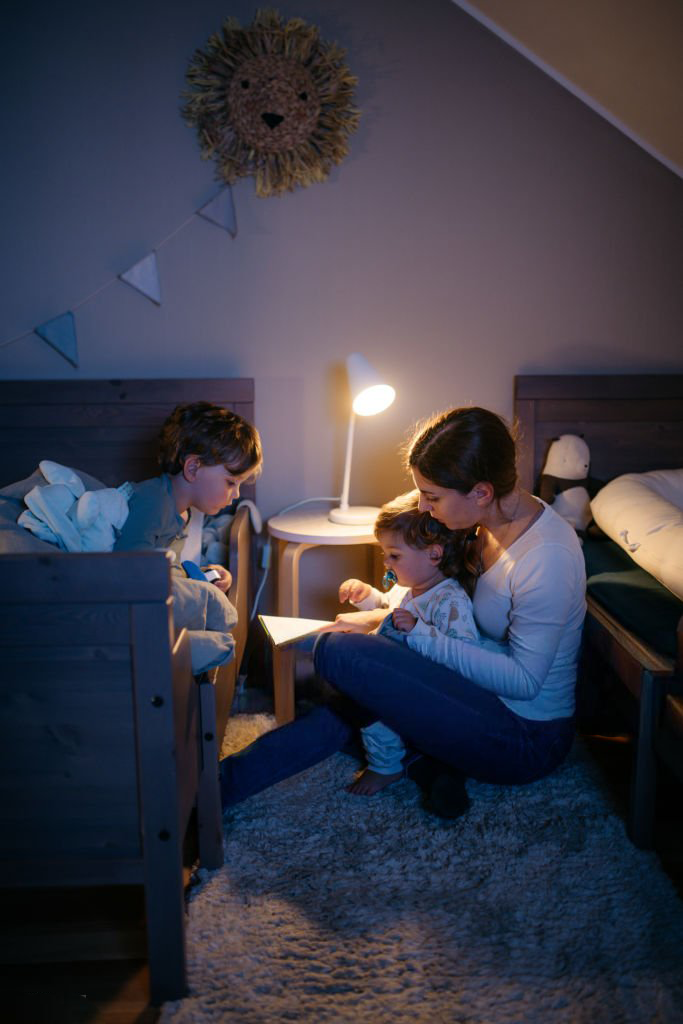
Washington’s Energy Challenge
Washington’s electric grid is under growing strain.
Demand for electricity is rising, driven by population growth, electrification, and increased reliance on the grid for everyday life. At the same time, the system is being asked to do more, often under more challenging conditions.
This is not a future problem. This is now.
When electricity demand grows, power companies traditionally had to generate or purchase more power or upgrade transmission systems to maintain reliability and prevent outages. These upgrades are costly and cause higher rates.
Enter Battery Energy Storage Systems.
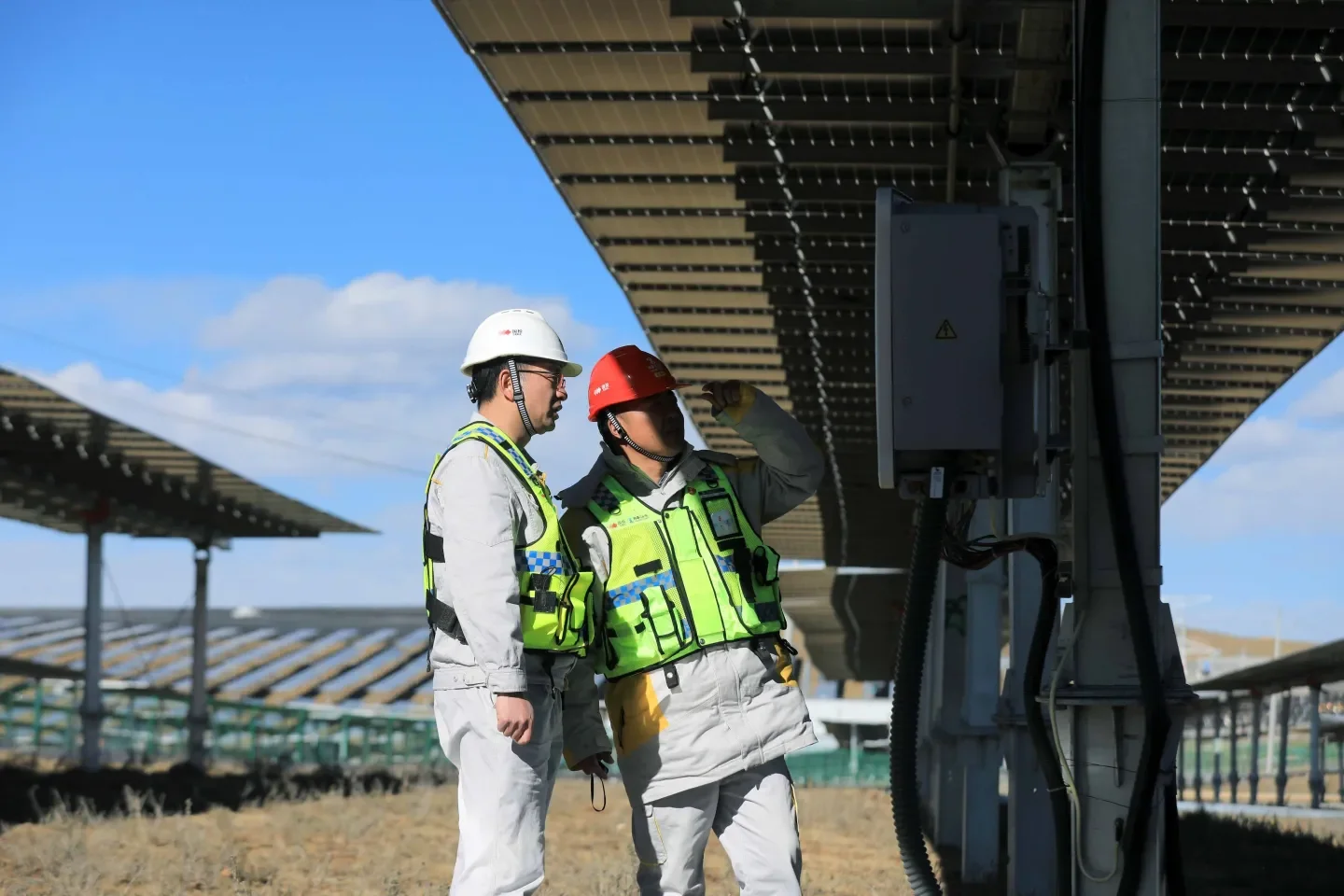
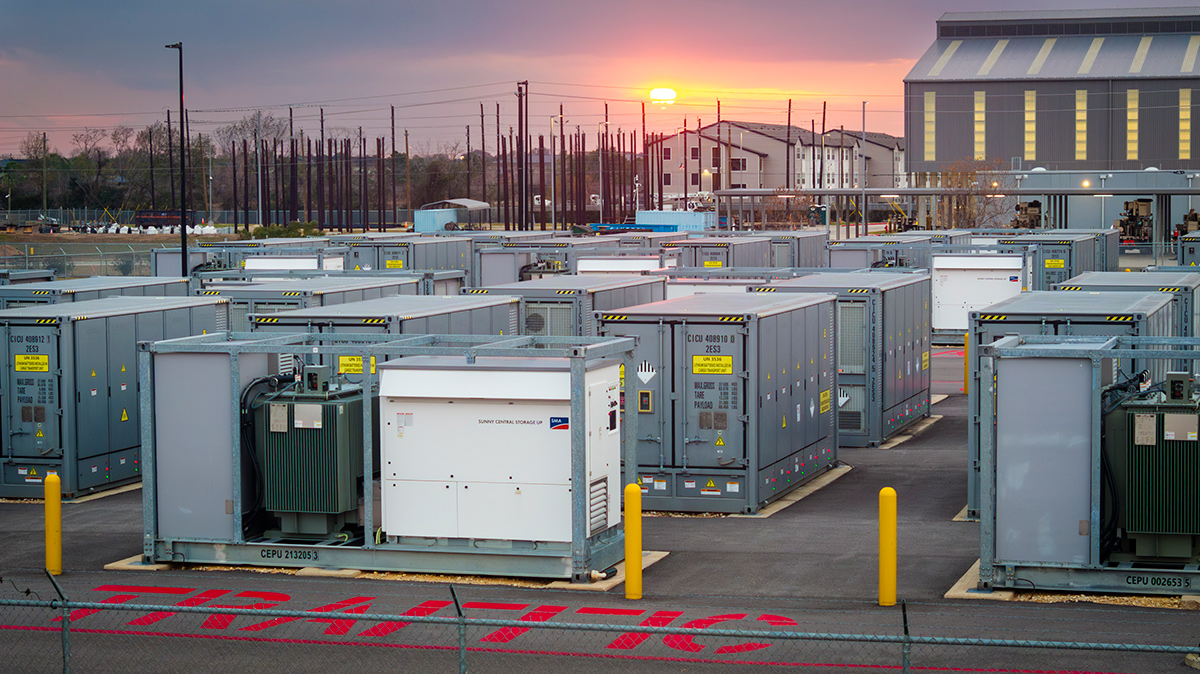
BESS Are Necessary: Battery Energy Storage Is Part of the Solution
Battery energy storage systems (BESS) help us better utilize the energy infrastructure we’ve already paid for to keep the grid stable and reliable. Projects like Cascadia Ridge Resiliency are part of how Washington meets its energy and reliability goals in practice.
WITH BESS
Power is Readily Available
BESS store electricity and deliver it when demand is highest or when supply is constrained
WITH BESS
The Grid Remains Strong
Readily available power means the grid can avoid or respond to unexpected disruption
WITH BESS
Communities are Less Vulnerable
Power outages are disruptive. Battery storage helps ensure electricity is there when we need it most
The Cascadia Ridge Resiliency project will be used to support local power needs as a utility resource for reliability and customer benefits—including in the Snoqualmie Valley and King County. As a utility resource, Jupiter Power cannot also use the project for independent energy trading.
BESS Are Safe: How Modern Battery Storage Has Evolved
Battery energy storage is already operating safely across the country as part of modern electric grids. These systems are widely used to support reliability and manage energy demand.
The technology has advanced significantly in recent years. Modern battery storage facilities are fundamentally different from the older designs often referenced in headlines. Today’s systems are built using updated engineering approaches, improved equipment, and significantly strengthened safety standards.
Importantly, current projects must comply with modern fire codes and safety requirements that have improved as we’ve learned from early project examples. Systems associated with past high-profile events would not meet today’s standards or be permitted under current regulations.
As a result, battery energy storage continues to become safer, more reliable, and more effective as part of the electric grid.
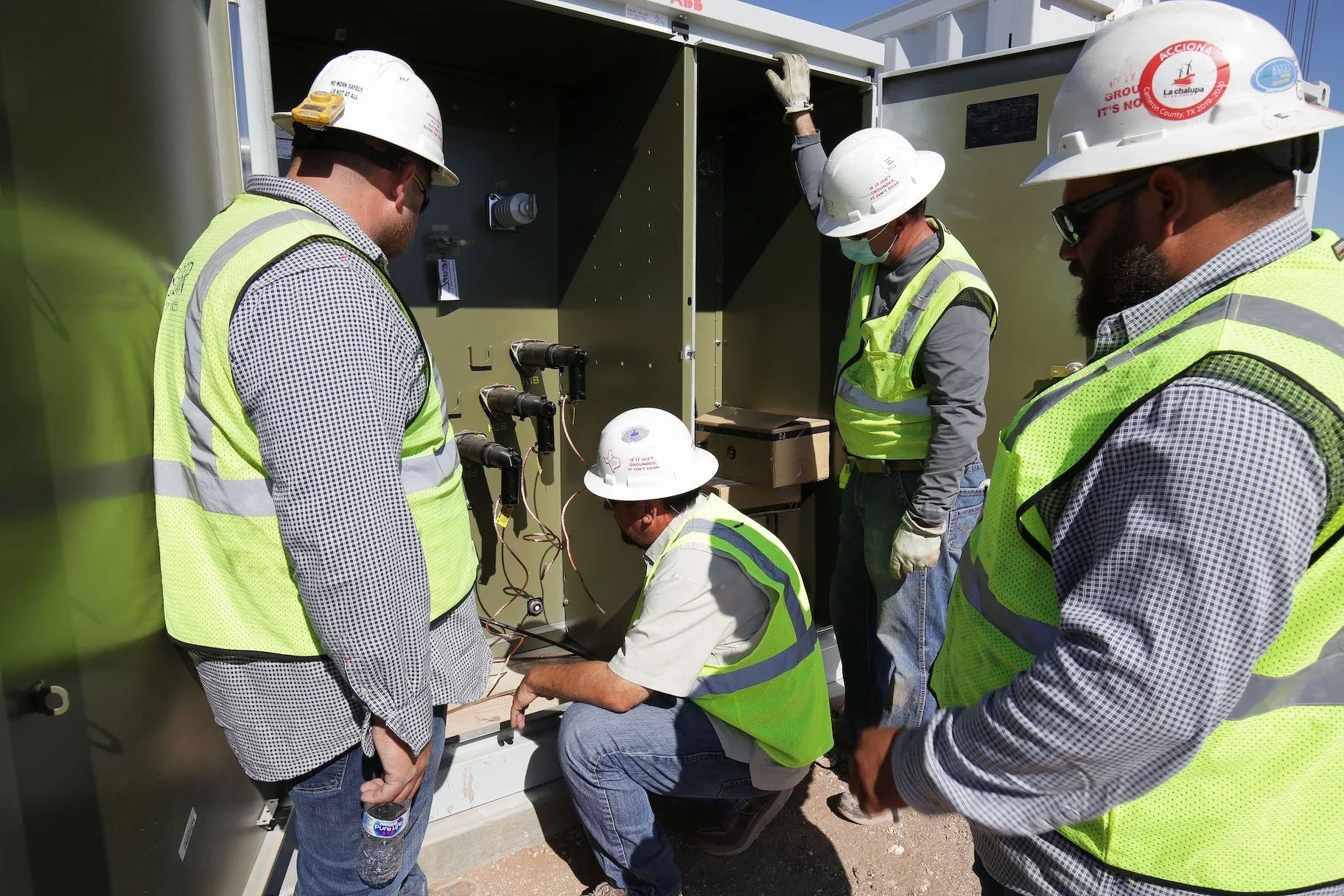
Facts You Need to Know
There is a clear and responsible path forward for projects like Cascadia Ridge. The facts are straightforward.
-
Battery energy storage is already operating safely across the country as part of modern electric grids. These systems are not new or experimental. They are a widely used tool to support reliability.
-
Modern battery storage facilities are designed and regulated under rigorous safety standards. They are subject to extensive review through permitting processes, as well as independent technical evaluation required by insurers and financing partners, providing an additional layer of accountability.
-
Local fire departments and emergency responders are part of the planning process, with training and coordination built into project development.
-
There is no path to a reliable grid without infrastructure. Projects like Cascadia Ridge Resiliency are part of how Washington meets growing demand and maintains a stable energy system.
-
Washington has made a clear commitment to building a cleaner, more reliable energy system. Meeting those goals requires real infrastructure that can support growing demand and ensure power is available when it’s needed.
Battery energy storage is a critical part of that equation. Without it, the grid becomes less stable and more vulnerable to disruption.
There is broad agreement on the need for a modern energy system. The question is whether we are willing to build the infrastructure required to support it. That includes projects like Cascadia Ridge Resiliency.
-
A 100 MW BESS project can generate roughly $1 million per year in local tax revenue, supporting schools, emergency services, and other essential community needs.